In this guide8 sections
What Are Classroom Norms?
Classroom norms are the shared agreements that define how everyone in the room treats each other, communicates, and learns together. Unlike top-down rules imposed by the teacher, norms are typically co-created with students, which gives learners ownership over the classroom culture.
When students help shape the norms, they are far more likely to follow them — not because they fear consequences, but because they helped build the community those norms protect.
Classroom Norms vs. Classroom Rules: What’s the Difference?
Teachers often use the terms interchangeably, but there is a meaningful distinction:
- Classroom rules are specific, teacher-set expectations (e.g., “Raise your hand before speaking”). They focus on behavior and compliance.
- Classroom norms are broader shared values (e.g., “We listen when others are speaking”). They focus on culture and belonging.
The most effective classrooms use both: a small set of clear rules for safety and order, plus norms that shape the learning culture.
30 Classroom Norms Examples
Use these as a starting point, then adapt them with your students. Aim to keep your final list to 5–7 norms — short enough to remember, meaningful enough to matter.
Respect and Kindness
- We treat everyone with kindness and respect, every day.
- We value differences — every voice in this room matters.
- We keep our hands, feet, and unkind words to ourselves.
- We celebrate each other’s successes.
- We assume good intentions in others.
- We take care of our shared space and materials.
Communication
- We listen actively when someone is speaking.
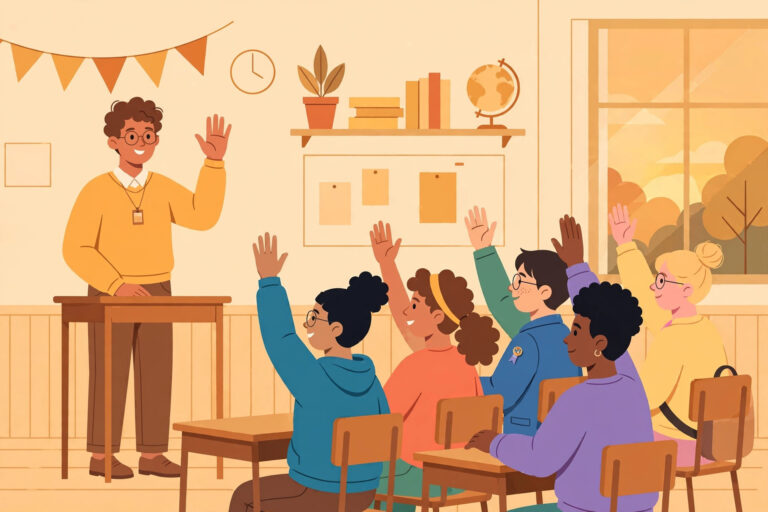
- We raise our hand (or use our agreed signal) before sharing.
- We disagree respectfully — with ideas, never with people.
- We ask questions when we don’t understand.
- We use kind, honest language.
- We give everyone a chance to be heard.
Responsibility
- We come prepared with our materials.
- We complete our work on time and do our best.
- We own our mistakes and learn from them.
- We clean up after ourselves.
- We follow through on our commitments to the class.
- We keep our promises to each other.
Learning and Focus
- We stay focused during learning time.
- We try our best, even when work feels hard.
- We see mistakes as proof that we are learning.
- We stay curious and ask “why?”
- We support each other as learners.
- We put devices away unless they are part of the lesson.
Community and Shared Space
- We leave every space better than we found it.
- We include others — no one learns alone here.
- We solve problems peacefully and ask for help when needed.
- We protect everyone’s right to learn.
- We have fun while we learn.
- We are a team — we rise by lifting others.
How to Set Classroom Norms in 5 Steps
1. Start with a conversation, not a lecture
Ask students: “What kind of classroom do you want to learn in?” Collect their words first. You will be surprised how closely their answers match what you would have chosen.
2. Group ideas into themes
Sort student suggestions into 4–6 themes (respect, communication, responsibility, etc.). Let the class vote on the wording for each norm.
3. Keep it short and positive
Phrase norms as “we” statements in positive language. “We listen when others speak” works better than “Don’t interrupt.”
4. Make them visible
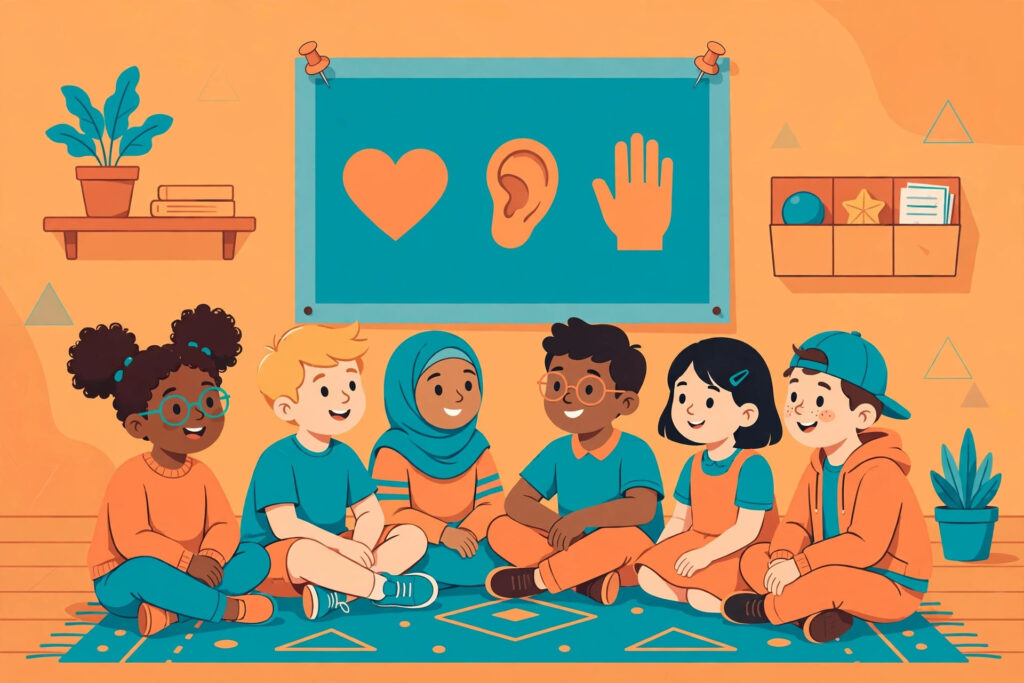
Post the final norms where everyone can see them — on the wall, on your class website, or as a printable poster students sign.
5. Revisit them regularly
Norms are living agreements. Revisit them after the first month and each term: what’s working, what needs adjusting?
Tips for Making Classroom Norms Stick
- Model them yourself. Students follow what you do far more than what you say.
- Refer to them daily. “Remember our norm about listening…” beats a generic “be quiet.”
- Celebrate when students live them. Catch norms in action and name them out loud.
- Connect consequences to norms. When a norm is broken, discuss which agreement was affected and how to repair it.
- Let students lead. Rotate a weekly “norms ambassador” who spotlights classmates living the norms.
Frequently Asked Questions
How many classroom norms should I have?
Five to seven is the sweet spot. Fewer feels vague; more becomes impossible to remember. If your class generates 20 ideas, group them into themes and let students vote.
Should classroom norms be posted on the wall?
Yes. Visible norms serve as a daily reminder and a neutral reference point (“Let’s check our norms”) that depersonalizes corrections.
What is the difference between classroom norms and expectations?
Expectations are often teacher-defined standards for behavior and work quality. Norms are collectively owned agreements about how the community functions. Many teachers use both.
How do I introduce classroom norms on the first day of school?
Run a 20-minute co-creation activity: students brainstorm in pairs, share with the class, group ideas into themes, and vote on final wording. End by having everyone sign the norms poster.
Do classroom norms work for all grade levels?
Yes, with adaptation. Younger students need simpler language and pictures; older students can handle abstract values like “intellectual courage.” The co-creation process works at every level.
Keep Building Your Classroom Toolkit
Norms work best alongside the right language and the right environment. Next, explore our 50 essential classroom commands for consistent daily language, and try our free classroom timer to keep transitions smooth.
Final Thoughts
Classroom norms are one of the highest-leverage investments a teacher can make. A single thoughtful lesson in the first week — co-creating 5–7 shared agreements — pays dividends in engagement, behavior, and trust all year long. Start the conversation, let students own it, and watch your classroom culture transform.