Every teacher meets one eventually: the student whose jokes land better than your lesson. Knowing how to deal with a class clown matters because the usual responses, a sharp comeback or a public warning, usually give the student exactly what they want: an audience.
The good news is that most class clowns are quick, social and creative. With the right moves you can cut the disruptions and keep the student on your side. Below are 12 strategies for middle and high school, plus a quick plan you can start tomorrow.
In this guide8 sections
First, figure out why the student clowns
Humor in class is almost always doing a job for the student. Watch for a week and note when the jokes happen.
- Attention and status: jokes spike when peers are watching.
- Avoidance: jokes appear right before reading aloud, tests or hard tasks.
- Boredom: jokes come during long lectures or work the student finds too easy.
- Connection: the student wants a relationship with you and uses humor to start it.
The motive decides the fix. An avoider needs academic support; an attention-seeker needs a better stage.
In-the-moment strategies
1. Don’t compete for the laugh
A clever comeback can win the moment but starts a contest. A small smile and an immediate return to the task removes the reward.
2. Use proximity and nonverbal cues
Move toward the student while you keep teaching. A tap on the desk or a raised eyebrow often stops the next joke without a word.
3. Redirect with a job
“Marcus, can you read the next problem for us?” turns the spotlight into participation. Rotating roles like those in our classroom jobs for high school list help too.
4. Speak privately, not publicly
Save corrections for a quiet word at the desk or the door. Public warnings create a scene the class clown can play to.
5. Use a quick reset signal
Agree on a private signal (a hand on your chin, a sticky note on the desk) that means “dial it down.” Students appreciate not being called out.
Prevention strategies
6. Build a relationship outside the joke
Ask about their interests at the door, notice a good answer, and use the 2×10 approach: two minutes of non-academic conversation for ten days.
7. Give humor a scheduled outlet
Offer a “joke of the day” slot at the end of class for students who earned it, or let the student write a funny review question. Humor with a time and place is less disruptive.
8. Tighten pacing
Dead time is clowning time. Clear routines and quick classroom transitions leave fewer gaps to fill.
9. Seat strategically
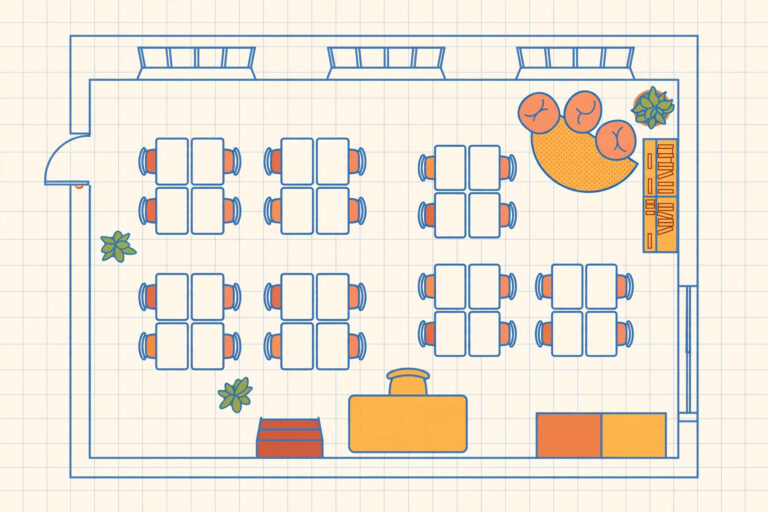
Move the student away from their best audience and closer to where you teach from most often.
Longer-term strategies
10. Hold a calm private conference
Name the behavior, its effect, and what you want instead. Try: “You’re funny, and people like being around you. Right now the jokes are pulling the class off task. Let’s figure out when humor works in here.”
11. Support avoided tasks
If jokes hide confusion, offer a check-in, chunked work or a quiet reread. Ideas in differentiated instruction strategies fit well here.
12. Reinforce the good moments
Notice when the student contributes seriously and tell them privately. Specific praise works better than generic praise, as we explain in positive reinforcement for high school.
Match the response to the motive
| Motive | Typical sign | Best response |
|---|---|---|
| Attention / status | Jokes when peers watch | Redirect to a role, scheduled humor outlet |
| Avoidance | Jokes before hard tasks | Private check-in, chunk the task |
| Boredom | Jokes during long lectures | Faster pacing, more active work |
| Connection | Jokes aimed at the teacher | Relationship time outside the lesson |
A simple two-week plan
- Days 1–3: observe and note when the jokes happen.
- Day 4: private conversation and agreed signal.
- Days 5–10: use proximity, roles and the outlet; praise serious contributions.
- Day 10: brief check-in with the student. Contact home with a positive note if things improved.
Frequently asked questions
Should I ever laugh at a class clown’s joke?
Yes, occasionally, when it is kind and well-timed. Laughing and then returning straight to the lesson shows you have a sense of humor without handing over the class.
What if the jokes are disrespectful?
That is a different issue. Address it privately and follow your school’s process; our guide on how to deal with disrespectful students covers that situation.
When should I contact parents?
If the behavior continues after a private conversation and two weeks of consistent strategies, call home and frame it as working together.
Is a class clown the same as a chatty class?
No. One student needing a stage is different from general noise; for whole-class talk, see how to handle a chatty class.
The bottom line
A class clown usually has skills you can use: confidence, timing and social pull. Take away the audience, give humor a proper place and build the relationship, and that student often becomes one of the most engaged people in the room.