Active recall means pulling information out of your memory instead of putting it back in. You close the book and try to answer a question, explain a concept or write down everything you remember. Then you check what you got wrong.
It feels harder than rereading, and that is the point. The effort of retrieving an answer strengthens the memory far more than looking at the answer again. Psychologists call this the testing effect or retrieval practice, and it is one of the best-supported findings in learning research.
In this guide7 sections
What the research says
Three studies are worth knowing:
- Roediger and Karpicke (2006) had students read short prose passages. Some reread the passages; others took a recall test without feedback. On a test five minutes later, the rereaders did slightly better. After two days and after one week, the students who had tested themselves remembered clearly more. (Psychological Science)
- Karpicke and Blunt (2011) compared retrieval practice with concept mapping, a popular “deep” study activity. Students who practiced recall did better on the final test a week later, including on questions that required inference. (Science)
- Dunlosky and colleagues (2013) reviewed ten common study techniques. Only two earned their top “high utility” rating: practice testing and spreading practice over time. Highlighting, rereading and summarizing were rated low utility. (Psychological Science in the Public Interest)
The pattern is consistent. Rereading makes material feel familiar, and familiarity is easy to mistake for knowing it. Recall shows you what you actually know, and strengthens it at the same time.
Why rereading feels better (but works worse)
When you reread a page, every sentence looks familiar. Your brain reads that fluency as “I know this.” Then the exam asks a question in a different form, and the familiarity is useless because you never practiced producing the answer yourself.
Active recall feels slow and uncomfortable because you hit gaps. Those gaps are useful information. Each one tells you exactly what to study next, which rereading never does.
7 ways to practice active recall
- Blank page recall. After a lesson, close your notes and write down everything you remember on a blank page: facts, diagrams, examples. Then open your notes and fill in what you missed in a different color.
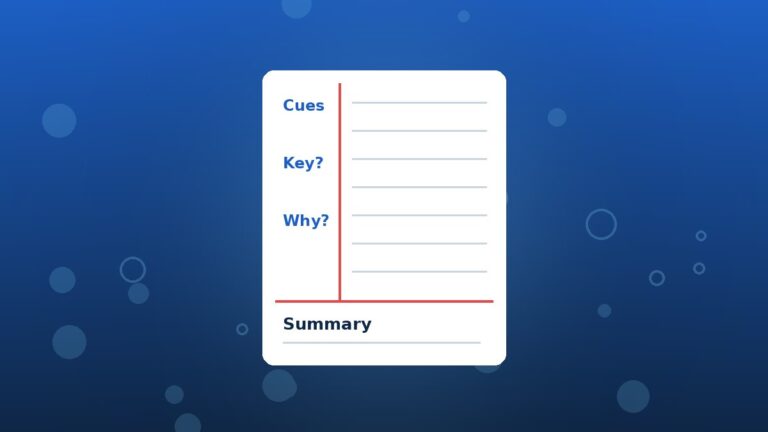
- Question-first notes. Turn each heading in your notes into a question. “Photosynthesis” becomes “What are the inputs and outputs of photosynthesis, and where does it happen?” Cover the answers and quiz yourself.
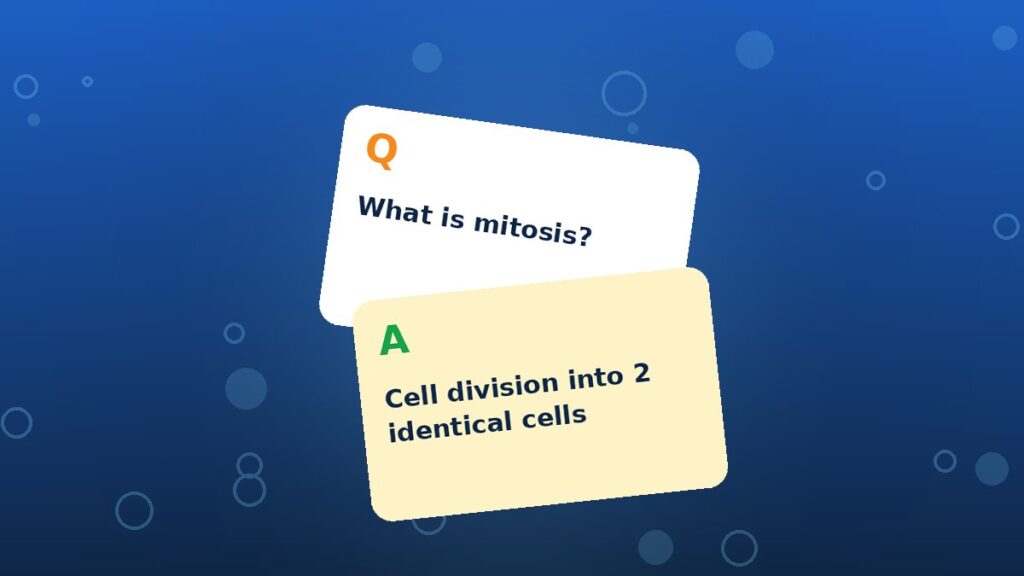
- Flashcards, done properly. Write a question on the front, not just a term. Say or write the answer before flipping. Put cards you missed back into the pile.
- Teach it out loud. Explain a topic to a friend, a parent or an empty chair without looking at notes. Wherever you stumble is where your understanding is weak.
- Practice tests. Use past papers, end-of-chapter questions or quizzes. Do them under exam conditions and check every answer.
- Draw from memory. For science, sketch and label a diagram (the heart, a cell, a circuit) from memory, then compare it with the original.
- Short daily quizzes. A few questions every day keep older material fresh. Our Daily Brain Challenge gives you three new questions every day with explanations, and the quiz games cover topics like the periodic table.
Make recall work: feedback and spacing
Two rules make active recall much more effective:
Always check your answers. Recall without feedback can strengthen mistakes. After each attempt, compare with the correct answer and fix errors straight away.
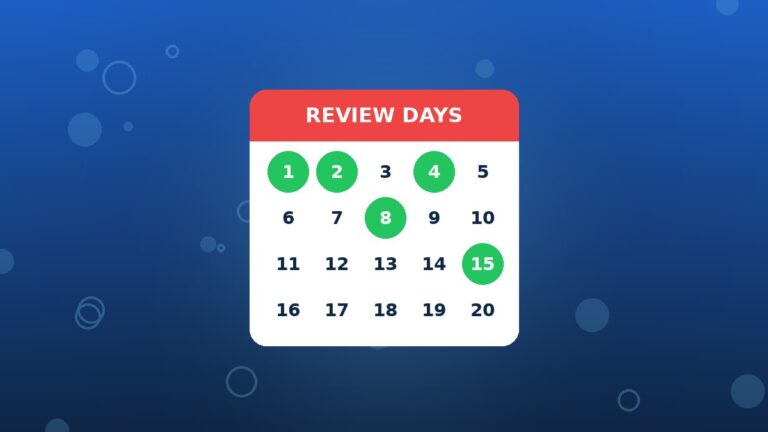
Spread it out. Testing yourself once is good. Testing yourself on the same material a day later, then a few days later, then a week later is much better. Each time you recall something just as it starts to fade, the memory becomes more durable.
A simple weekly rhythm looks like this:
| Day | What to recall |
|---|---|
| Day of the lesson | Blank page recall of today’s lesson (10 minutes) |
| Next day | Quick quiz on yesterday’s lesson |
| End of the week | Mixed quiz on all lessons this week |
| Following weeks | Mixed questions from older units, especially ones you missed |
Active recall in every subject
| Subject | Recall activity |
|---|---|
| Math | Do problems without looking at worked examples first. Cover the solution and try again later. |
| Biology | Label diagrams from memory; explain processes step by step |
| Chemistry | Write formulas, symbols and reaction types from memory; quiz yourself on the periodic table |
| History | Write the causes and effects of an event without notes; put events in order |
| English | Recall quotes and explain what each shows about a character or theme |
| Languages | Translate from your language into the new one, not only the other way round |
Combine it with focused study blocks
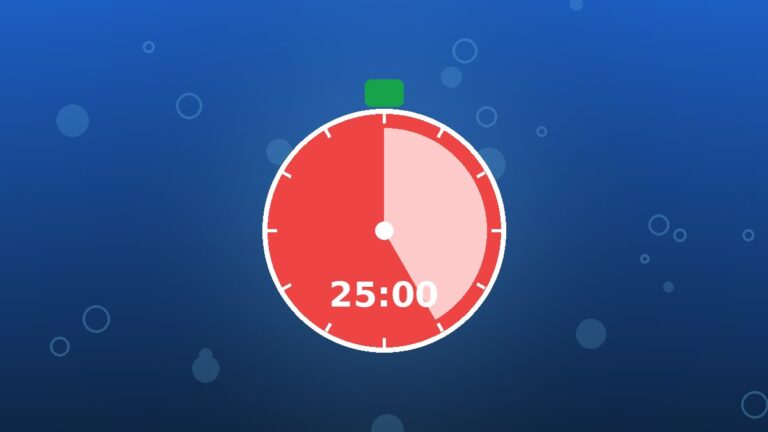
Active recall fits neatly into short focused sessions. One 25-minute block might be 15 minutes of self-testing and 10 minutes of fixing the gaps you found. If you have not tried timed study blocks yet, read our guide to the Pomodoro Technique for students.
Frequently asked questions
Is active recall better than making notes?
Making notes is useful while you are learning something for the first time. Active recall is what you do afterward to make it stick. The best approach is both: take clear notes, then turn them into questions and test yourself.
How long should an active recall session be?
Even 10 minutes helps. For exam review, 20 to 30 minutes of self-testing per subject, followed by a break, works well for most students.
What if I can’t remember anything when I try?
That usually means you are testing too soon after a first read or the material was never understood. Reread the section once, close it and try again. Getting a few answers right builds momentum.