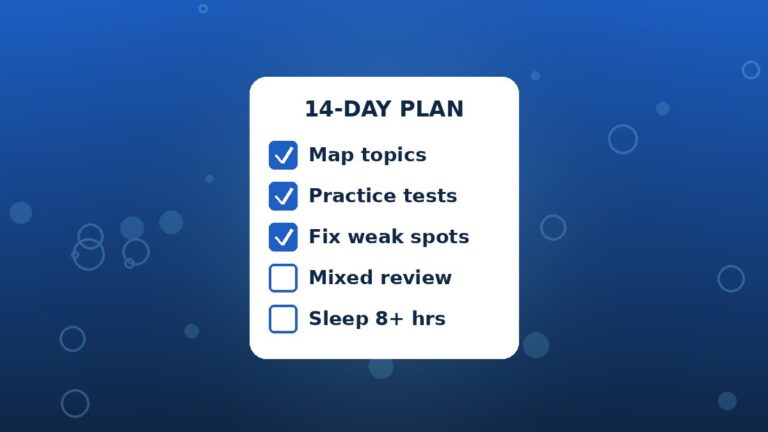
By spring, students have heard “this test is important” so many times that it stops meaning anything. Real motivation for state testing comes from three things: students believe they can do well, they know what to expect and they feel calm on test day. These state testing motivation ideas build all three without adding pressure.
Below are 20 ideas for the weeks before testing, the testing days themselves and the days after, plus a short plan you can follow.
In this guide7 sections
Build confidence in the weeks before
- Show growth. Students compare a fall assessment with a recent one and note one skill they have improved.
- Skill checklists. A one-page list of tested skills; students check off what they can do and circle what they want to practice.
- Short, frequent practice. Ten-minute review sets beat one long practice test. Use formative assessment to see what needs more work.
- Review games. Team games keep review energetic. See our review games for high school.
- Study plans. Students plan short review sessions using a spaced repetition schedule.
- Peer teaching. Students teach one skill to a partner; explaining builds confidence.
Reduce uncertainty
- Walk through the format. Show the test layout, question types and tools (calculator, highlighter, flag feature) before test day.
- Practice the timing. One timed section helps students learn pacing.
- Teach test strategies. Read the question first, eliminate wrong answers, flag and return, check units.
- Answer the “why” honestly. Explain how results are used at your school. Students respond to honesty more than to pep talks.
Calm nerves
- Breathing routine. Teach a simple routine, such as breathing in for four counts and out for six, and practice it before quizzes.
- Write it down. Two minutes of writing about worries before a test can help students feel calmer.
- Movement breaks. A short stretch between sections helps focus. Try ideas from classroom yoga.
- Sleep and breakfast reminders. Send a short, friendly message to students and families the week before.
- Normalize nerves. Share that some nervousness is normal and can even help focus.
Encouragement that teens actually like
- Notes from teachers. A short, specific note for each student: “You’ve improved a lot at explaining your reasoning.”
- Older student messages. Last year’s students write tips for this year’s class.
- Class goal, not individual pressure. Set a class goal for effort, such as everyone finishing every section.
- Small treats or privileges. Where school policy allows, a healthy snack or a choice activity after testing.
- Celebrate effort afterwards. Recognize persistence, not scores, once testing is done.
A four-week plan
| Week | Focus | Activities |
|---|---|---|
| 4 weeks out | Confidence | Growth comparison, skill checklist |
| 3 weeks out | Practice | 10-minute review sets, review games |
| 2 weeks out | Format | Test walkthrough, timed section, strategies |
| Testing week | Calm | Breathing routine, notes, movement breaks |
What to avoid
- Constant warnings about how much the test matters.
- Public comparisons of student scores.
- Hours of test prep that replace all regular learning.
- Promises of rewards tied only to scores.
Frequently asked questions
How do I motivate students for state testing?
Help students see their growth, make the format familiar, teach calm routines and encourage effort rather than scores.
How can I reduce test anxiety in my classroom?
Practice the format, teach a short breathing routine, normalize some nervousness and keep the classroom routine as normal as possible on test days.
Should I give rewards for state test scores?
Rewarding effort and completion is usually healthier than rewarding scores, which students cannot fully control on a single day.
Start four weeks out with growth and practice, then shift to format and calm as testing approaches. Students who feel prepared and supported are far more motivated than students who feel pressured.