Flexible seating in high school sounds like a Pinterest trend built for elementary classrooms: beanbags, wobble stools and rugs. In practice, it can work very well with teenagers, as long as it is built around the work students do and not around furniture. The goal is simple: give students a few seating options that match different tasks, and teach clear expectations for choosing and using them.
This guide shows how to set up flexible seating in a middle or high school classroom on a small budget, how to roll it out in the first two weeks, and what to do when a student keeps making poor choices. It pairs well with our guides to classroom seating arrangements and classroom layout ideas, which cover the traditional desk setups you will still use on many days.
In this guide8 sections
- What flexible seating means in a secondary classroom
- Is flexible seating right for your class?
- Six flexible seating zones that work for teenagers
- Comparing zones: cost, best use and watch-outs
- Rolling it out: a two-week plan
- Ready-to-use expectations and scripts
- Using flexible seating on test days and with substitutes
- Frequently asked questions
What flexible seating means in a secondary classroom
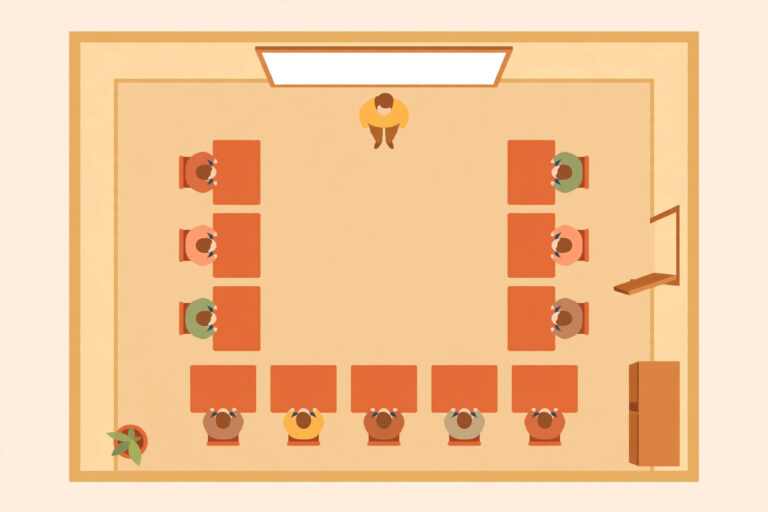
Flexible seating is any setup where students have more than one type of seat or work space and some choice about where they work. In secondary classrooms it usually looks less like a play area and more like a small library or co-working space: a few standing spots, a table for group work, a quiet corner and regular desks.
It does not have to mean “sit wherever you want, every day.” Most high school teachers who make it work use one of three levels of choice:
- Teacher-assigned zones: you assign seats, but some seats are stools or standing spots.
- Task-based choice: students choose a zone during independent or group work, but return to assigned seats for instruction and tests.
- Full choice with conditions: students choose daily, as long as they meet the expectations for that zone.
Start with task-based choice. It keeps your seating chart for attendance, direct instruction and substitutes, while still giving students real options.
Is flexible seating right for your class?
Flexible seating fits best when a good share of class time is independent work, collaboration or stations. If most of your period is lecture and note-taking, a few standing spots at the back may be all you need. Ask yourself three questions before buying anything:
- What tasks happen in my room each week? Write down the main ones: reading, problem sets, labs, discussions, tests.
- Which tasks would go better with a different seat? Discussion goes better around a table; focused reading may go better in a quieter spot; some students concentrate better standing.
- What are my non-negotiables? Clear walkways, visibility of every student from the front, and seating for tests are common ones.
Also check your school’s rules on furniture, fire exits and any student accommodations. A student with a seating accommodation in an IEP or 504 plan keeps that seat regardless of your system.
Six flexible seating zones that work for teenagers
1. Standing zone
A counter, a raised table or desks on risers along a wall. Standing spots are popular with students who get restless, and they are easy to supervise because they face the room or the board. Two to four spots are enough for most classes.
2. Collaboration table
One or two larger tables (or four desks pushed together) for group tasks. Assign this zone to groups doing discussion, labs or projects. Our group work roles keep table groups productive instead of social.
3. Quiet zone
Desks facing a wall or window, away from traffic. Use this for students who need fewer distractions during reading and practice. Make it a no-talking zone and keep it that way.
4. Soft seating
A couch, a few floor cushions or a pair of chairs with clipboards. This is the zone most likely to cause problems, so keep it small and attach clear rules: one person per seat, work visible, no lying down.
5. Stools and low tables
Stools give movement without the noise of rolling chairs. Stable four-legged stools are a safer choice than wobble stools for older and taller students.
6. Traditional desks
Keep some ordinary desks. Many students prefer them, and they are your fallback for tests and for students who need structure. Flexible seating is about options, not about removing desks.
Comparing zones: cost, best use and watch-outs
| Zone | Low-cost option | Best for | Watch out for |
|---|---|---|---|
| Standing | Desks on bed risers, a counter | Practice problems, short tasks | Blocking the view of others |
| Collaboration | Four desks pushed together | Discussion, labs, projects | Off-task chatting |
| Quiet | Desks turned to face a wall | Reading, writing, test review | Students hiding phones |
| Soft seating | Donated chairs, cushions, clipboards | Independent reading | Lounging, two to a seat |
| Stools | Secondhand stools | Short-term focus, stations | Tipping, noise |
| Desks | What you already have | Tests, notes, direct instruction | None—keep plenty |
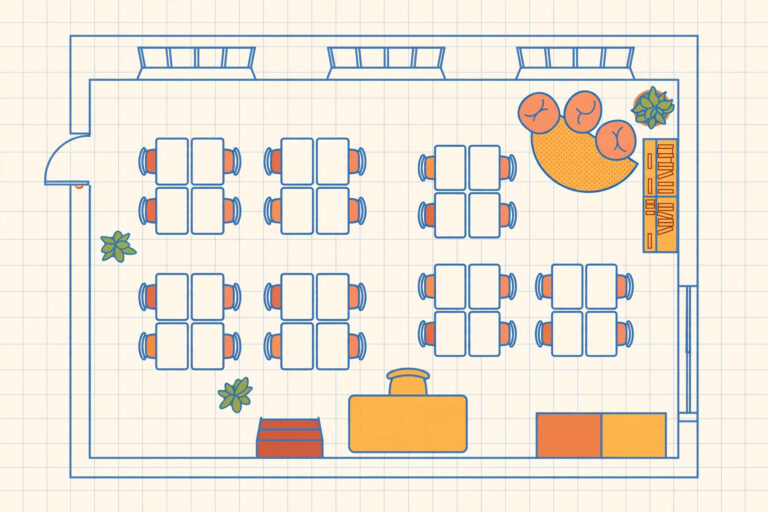
You do not need to buy everything at once. Rearranging desks and adding risers or a borrowed table is enough to start. Sketch the room first with our classroom floor plan guide so walkways and sightlines stay clear.
Rolling it out: a two-week plan
- Day 1 – Explain the why. Tell students the seats are tools for doing work, not rewards. Show each zone and what it is for.
- Day 2 – Co-write expectations. Ask students what each zone needs to work well. Turn their ideas into three or four short rules per zone, the same way you would build classroom norms.
- Days 3–5 – Assigned rotation. Rotate groups through every zone so everyone tries each one before choosing. Students often discover the soft seats are less comfortable for writing than they expected.
- Days 6–7 – Reflection. Ask students to write which zone helped them focus most and why.
- Days 8–10 – Choice begins. Open choice during work time only. Return to assigned seats for instruction, quizzes and tests.
Treat seat choice like any other routine: model it, practice it and correct it calmly. It belongs on your classroom procedures list alongside entering the room and turning in work.
Ready-to-use expectations and scripts
Post short expectations in each zone. Examples:
- “Choose the spot where you will do your best work, not the spot next to your best friend.”
- “If your work is not getting done, I will choose your seat for the rest of the period.”
- “One person per seat. Work and materials stay out.”
- “Move quietly and be settled within one minute.”
When a student makes a poor choice, keep the response short and private: “This spot isn’t working for you today. Please move to a desk, and you can try again tomorrow.” Avoid long debates in front of the class. The next day is a fresh start, which makes students far more likely to accept the move.
Using flexible seating on test days and with substitutes
Keep a simple “test layout” that everyone knows: traditional desks in rows or spaced pairs. Practice converting the room once or twice so it takes a few minutes. For substitutes, leave a seating chart with assigned seats and a note that flexible seating is paused. That protects the sub and the system.
Frequently asked questions
Does flexible seating work in high school?
It can, when choice is tied to tasks and clear expectations. Teenagers generally respond well to having a say in how they work, but the system needs the same teaching and follow-through as any other routine.
How do I pay for flexible seating?
Start with what you have: rearrange desks, raise a few with risers and borrow a table. Then add pieces slowly through donations, school funds or grants your district allows. Avoid buying anything before you know which zones your students actually use.
What if students only choose seats next to friends?
Make productivity the condition for choice. If work stops, you choose the seat for the rest of the period. You can also limit how many students sit in each zone.
Should I keep a seating chart?
Yes. Keep assigned seats for attendance, instruction, tests and substitutes, and use flexible seating during work time. This hybrid approach is the easiest to manage.
Flexible seating in high school works best when it is boring in the right way: a few useful zones, clear rules and calm consistency. Start small, watch what students actually use, and adjust your layout each quarter.